Caulk is the cheapest material in the house and it is guarding some of the most expensive things in it: the subfloor under the tub, the framing behind the windows, the sheathing behind the siding. When it fails, it fails quietly, and the damage shows up years later as a soft floor or a rotten window sill. Knowing which caulk goes where and when it is done is basic home maintenance that almost nobody was ever taught.
The three kinds that matter
- Acrylic latex (painter's caulk). For interior trim joints, baseboard to wall, crown to ceiling, nail holes. Paintable, easy to tool, cleans up with water. Not for wet areas; it shrinks and it does not stay flexible in water.
- Silicone. For wet joints: tub to tile, shower corners, sink to counter, around faucets. Stays flexible, waterproof, mildew-resistant grades exist. Not paintable, and nothing sticks to it afterwards, including new caulk, which is why it has to be fully removed to redo.
- Polyurethane or hybrid exterior sealant. For outside joints: siding to trim, around windows and doors, where the deck ledger meets the house, concrete cracks. Stays flexible through heat and cold, paintable after curing, and tolerates Georgia sun far better than acrylic.
The usual mistake is using painter's caulk everywhere because it is in the drawer. Inside a shower it fails in months. Outside it cracks in one summer.
Where it fails first in a Georgia house
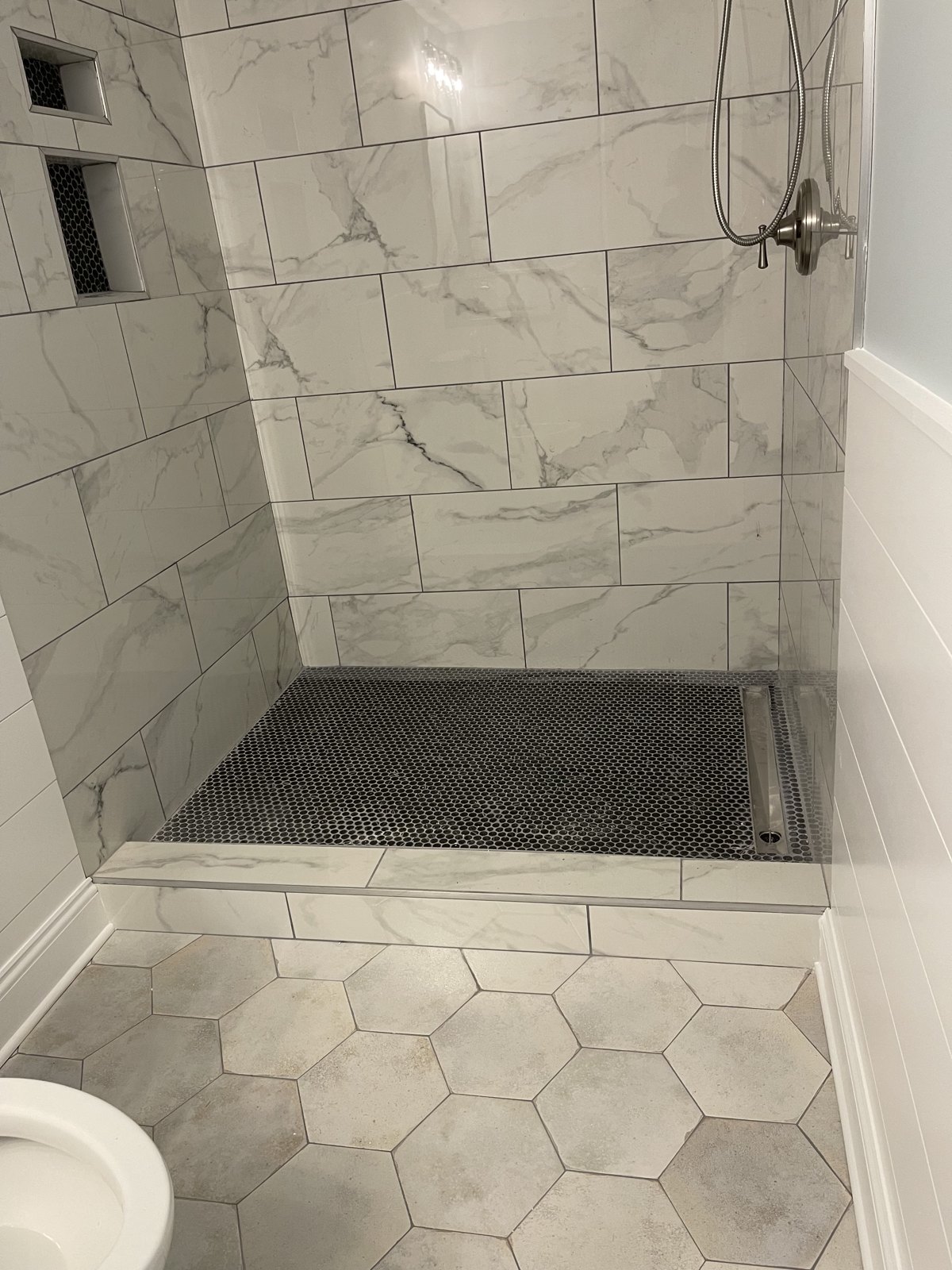
- Tub and shower joints. The tub moves when it fills with water and a person; the tile does not. Rigid caulk cracks along that line, and water goes behind the tile.
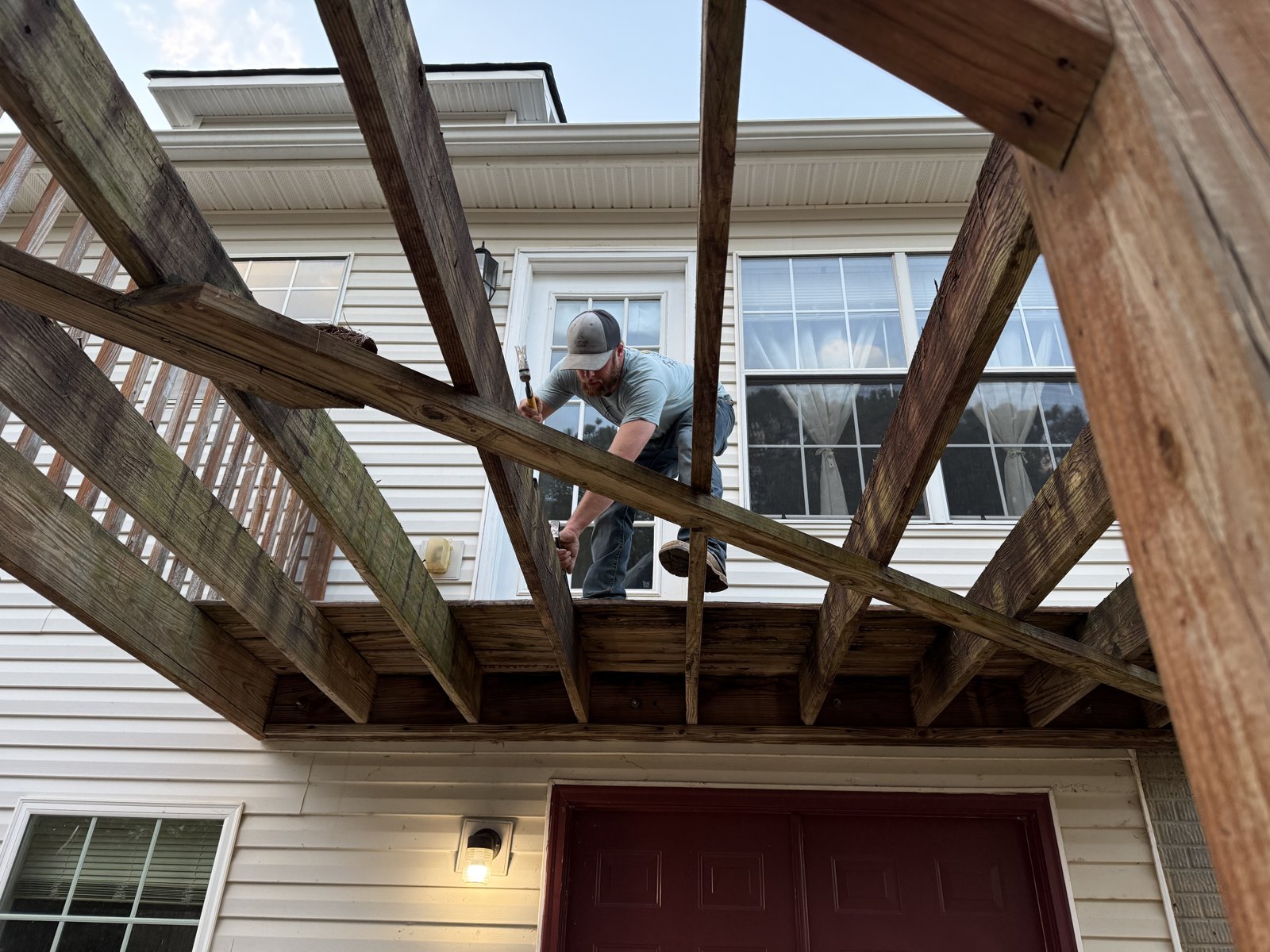
- Window and door perimeters outside. Sun and thermal movement. A gap here puts water behind the trim and into the wall.
- Siding butt joints and trim to siding, especially on the south and west faces.
- Around exterior penetrations: hose bibs, dryer vents, cable and conduit entries, the AC line set.
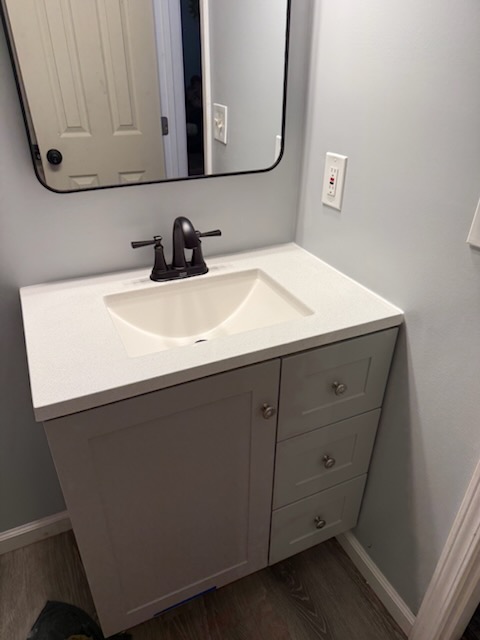
- Kitchen sink to counter and the backsplash to counter joint.
- Baseboard to floor in a bathroom, which is where a small toilet leak first shows.
Re-caulking a tub or shower properly
- 1Remove all of the old caulk. A plastic scraper, a razor in a holder, and a caulk remover if it is silicone. Every trace has to go or the new bead will not bond.
- 2Clean the joint with rubbing alcohol and let it dry completely. Any mildew gets treated first.
- 3Fill the tub with water before caulking. That loads the tub so the joint is at its widest; when the water is drained, the caulk compresses instead of stretching.
- 4Cut the tip small, run a steady bead, and tool it in one pass with a fingertip or a caulk tool. Wipe the excess before it skins.
- 5Leave it to cure per the tube, usually a full day before the shower is used.
Exterior joints
Walk around the house once a year and look at every joint where a different material meets: window frames, door frames, corner boards, trim, penetrations. Any caulk that is cracked, pulled away from one side, or missing gets cut out and replaced with an exterior polyurethane or hybrid sealant. Bigger gaps get backer rod first so the sealant is the right depth. This is the same walk we describe in our Georgia home maintenance calendar, and it is the single cheapest way to keep water out of the walls. If you find soft trim on that walk, our post on wood rot is next.
When to redo it
- Any crack, gap, or place where the caulk has pulled away from one surface.
- Mildew that comes back after cleaning; it is growing under the caulk, not on it.
- A bead that has gone hard and brittle.
- After any repair that disturbed the joint.
- Every few years in a shower regardless, and after any tub or tile work.
Questions we get
Can I caulk over the old caulk?
No. New caulk over old silicone will not bond and peels off in a sheet. Strip it and start clean.
Why does my caulk keep getting mildewed?
Poor ventilation, usually. A bathroom fan that actually moves air fixes most of it. Our bathroom exhaust fan post covers that. Use a mildew-resistant silicone in the meantime.
Is this a handyman job?
Very much so. A full strip and re-caulk of a bathroom, plus an exterior joint check, is a normal item on a punch list visit.
Get it sealed properly
Wright Way Services handles caulking and sealing inside and out across Newnan, Coweta County and Fayette County. Call (770) 301-4638.
Open 24 hours · Newnan, GA
Want a hand with this one?
Wright Way Services handles it all in one call — plumbing, remodeling, smart home installs and the whole punch list. Serving Newnan, Coweta County and the surrounding area.