A slow drain is not one problem. It is four or five different problems that happen to look identical from where you are standing, and the right move depends entirely on which fixture is doing it and whether anything else in the house is acting up at the same time.
Plenty of clogs are a 20-minute job you can absolutely handle yourself. A few of them are a warning that something is wrong out in the yard, and the worst thing you can do there is keep attacking the fixture. Here is how to tell the difference.
Triage by Fixture
Kitchen Sink
Almost always grease and food. And the disposal is not saving you. A garbage disposal does not grind grease, it does not dissolve grease, and it does not make grease go away. It chops solids and flushes everything a few feet downstream, where the water cools and the fat comes back out of suspension and coats the inside of the pipe like plaque in an artery. Every time you run hot water and dish soap down there, you push a little more fat further along and it hardens again. Six months later you have a two-inch line with a three-quarter-inch hole through it.
Do not pour grease down the drain, even chased with hot water. Wipe the pan into the trash.
Bathroom Sink
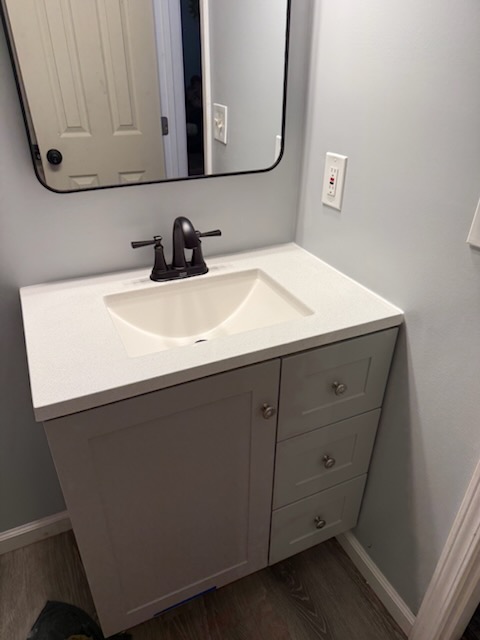
Hair and soap scum, and the culprit is usually the pop-up stopper. That stopper has a horizontal pivot rod behind the drain body, and hair wraps around it and builds a mat that catches everything else. Before you touch anything else, go under the sink, unscrew the retaining nut on the back of the tailpiece, pull the pivot rod, and lift the stopper straight out. Half the time the clog comes out with it, hanging off the bottom in a wad. Clean it, put the rod back, tighten the nut just past hand-tight, and you're done.
Tub and Shower
Hair again, but it sits either in the strainer, in the drum trap on older homes, or a few inches down the drain body where you can reach it with a plastic barbed zip tool. Pull the stopper or unscrew the strainer, fish it out, and flush it with hot water. If a plastic zip tool comes back clean and the tub is still slow, the blockage is deeper than the trap and you're into auger territory.
Toilet
Use a flange plunger, not the red cup plunger under the kitchen sink. The cup plunger is designed to seal against a flat sink basin and it cannot seal a toilet throat. A flange plunger has an extended rubber sleeve that folds down into the trapway. Seat it, push out the air slowly on the first stroke, then work it hard for 15 to 20 seconds and pull off sharply. If that fails, a closet auger with a rubber boot lets you feed the cable through the trap without scratching the porcelain. Feed slowly, crank, and either break the obstruction or hook it and pull it out.
And the classic: nothing goes in a toilet but waste and toilet paper. Not wipes, even the ones marked flushable, which do not break down. Not paper towels. Not tampons or cotton pads. Not dental floss, which knits itself into a net that catches everything behind it.
Why We Ask You Not to Use Chemical Drain Cleaner
It is on the shelf at every hardware store in Newnan and it is the wrong first move for three reasons.
- It sits. Liquid cleaner is heavier than water. It sinks through the standing water and pools against the top of the clog, which is exactly where the pipe is. On older galvanized steel or thin-wall drain lines, caustic chemistry sitting for hours does real damage to the pipe wall. We have pulled traps that crumbled in a hand.
- It makes the real fix dangerous. When the chemical fails and someone has to open the trap, they get a bucket of unreacted caustic in the face. Tell any technician who shows up exactly what you poured in and how much.
- It cannot fix the things that actually cause repeat clogs. It will not cut tree roots. It will not correct a sagging, bellied line holding standing water. It will not repair a broken fitting. It buys you a few weeks and hides the symptom.
The Hard Stops
These are not slow-drain problems. These are drain-system problems, and running a hand auger down the tub is not going to touch them. Stop and call.
- More than one fixture backing up at once. One slow sink is a sink. A slow sink plus a slow tub plus a gurgling toilet is a shared branch line or the main.
- Cross-talk between fixtures. You flush the toilet and water rises in the shower. You run the washing machine and the toilet bubbles. That means the water has nowhere to go and is finding the lowest opening in the house. That is a main line issue, and it is the one that ends with sewage on the floor.
- A sewage smell, especially in a crawlspace or near a floor drain. That is either a dry trap, a failed wax ring, or a broken drain line under the house.
- A clog that comes back within a few weeks of being cleared. Something structural is holding waste. In older parts of Coweta County with mature hardwoods and clay sewer laterals, that is very often roots at a joint, and it needs a camera, not a plunger.
- Anything you cannot reach through the trap arm. Once the blockage is in the branch line or the stack, it needs a drum machine or a jetter.
Know What You Are Looking At
Clearing a trap is honest homeowner work and we will never talk you out of it. Fighting the same drain for the third time in two months is not. If the clog keeps coming back, or if more than one fixture is involved, get a camera down the line and find out what is really going on before you spend another Saturday under the sink. Wright Way Services runs drains, scopes lines, and answers the phone at any hour. Reach us at (770) 301-4638 and tell us which fixtures are acting up.
Open 24 hours · Newnan, GA
Want a hand with this one?
Wright Way Services handles it all in one call — plumbing, remodeling, smart home installs and the whole punch list. Serving Newnan, Coweta County and the surrounding area.