The permit question comes up on almost every remodel, and it usually arrives with a hopeful tone: "We probably don't need a permit for this, right?"
Sometimes the answer is no. Often it's yes. And the honest version of this article has to start with a warning: the specific rules depend on who has jurisdiction over your address, and they change. Unincorporated Coweta County, the City of Newnan, Peachtree City, Senoia, and Tyrone do not all handle this identically, and none of them are obligated to keep doing it the way they did last year. Anyone who quotes you the exact rule without knowing your address and checking is telling you what they remember, not what's true today.
So here's the useful thing instead: the pattern. What generally triggers a permit, what generally doesn't, and why it matters more than people think.
What Generally Triggers a Permit
Across just about any jurisdiction, permits exist for work that can hurt someone or wreck the house if it's done wrong. That means:
- Structural changes. Removing or altering a load-bearing wall, adding or resizing a beam, cutting into joists or rafters, changing the roof structure.
- Moving or adding plumbing. New drain lines, relocating a sink or shower, running supply to a new spot, adding a bathroom. Swapping a faucet in place is different from moving where the water comes out.
- Moving or adding electrical. New circuits, a panel change or upgrade, receptacles and lighting where none existed, anything touching the service.
- HVAC changes. New ductwork, relocating equipment, conditioning a space that never was.
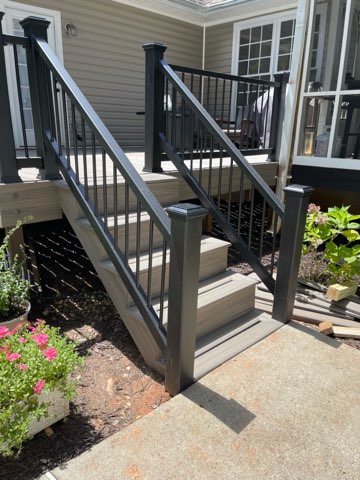
- Decks above a certain height off grade -- and the threshold varies by jurisdiction, which is exactly why you ask instead of assuming.
- Additions. Any time the footprint or conditioned square footage grows.
- Converting unfinished space to living space. Finishing a basement, converting a garage, turning an attic into a bedroom. People underestimate this one constantly -- it pulls in egress, ceiling height, smoke and CO detection, electrical, insulation, sometimes HVAC.
- Window and door openings that change framing. Like-for-like in the same rough opening is one thing. Cutting a new opening or widening an existing one is structural.
- Water heater replacement in many jurisdictions -- it's gas or electric, it's plumbing, and a bad install is a real hazard.
What Generally Doesn't
Cosmetic work that doesn't move systems or touch structure typically doesn't require a permit:
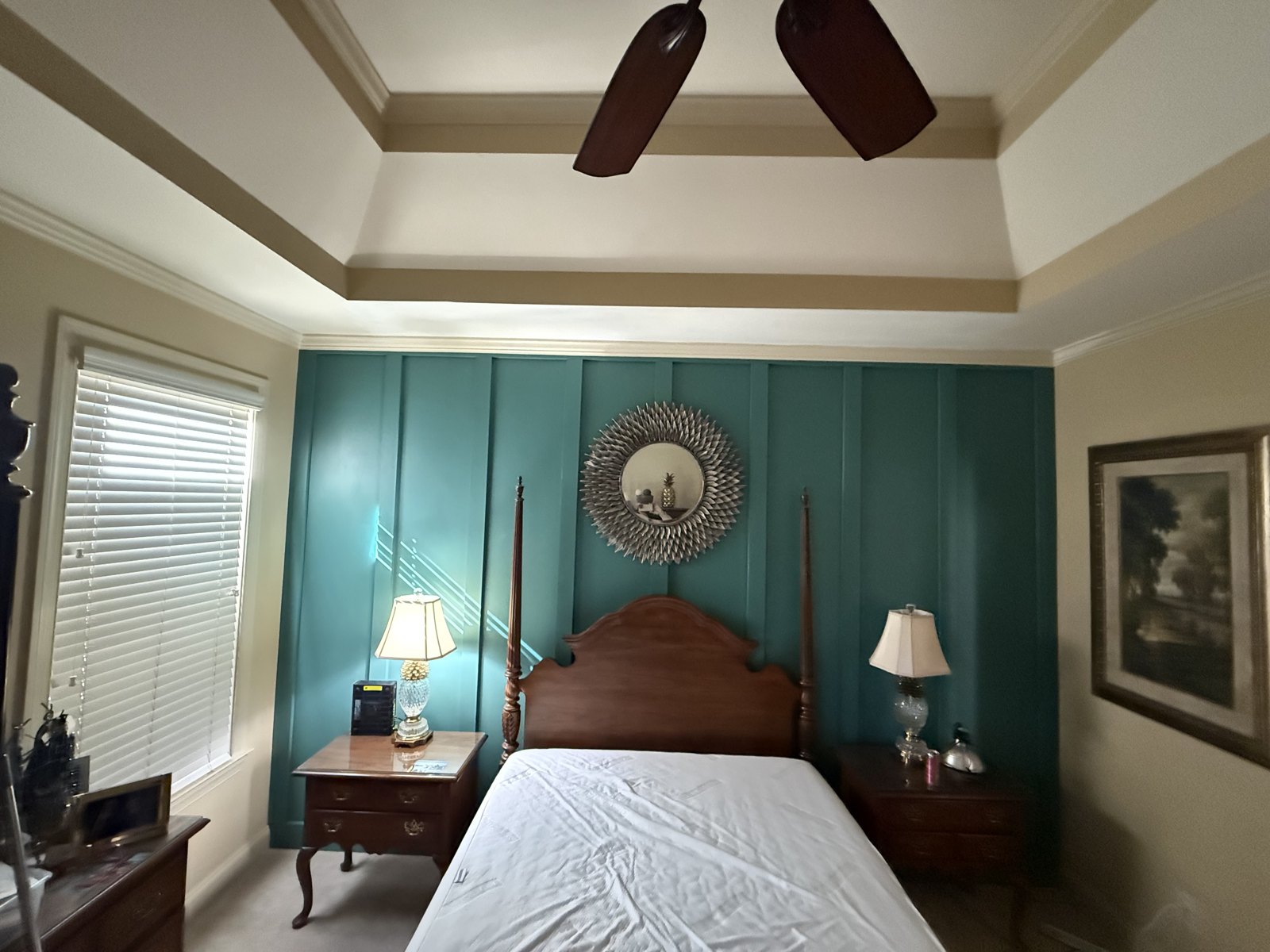
- Painting, interior or exterior.
- Flooring installed over an existing structurally sound subfloor.
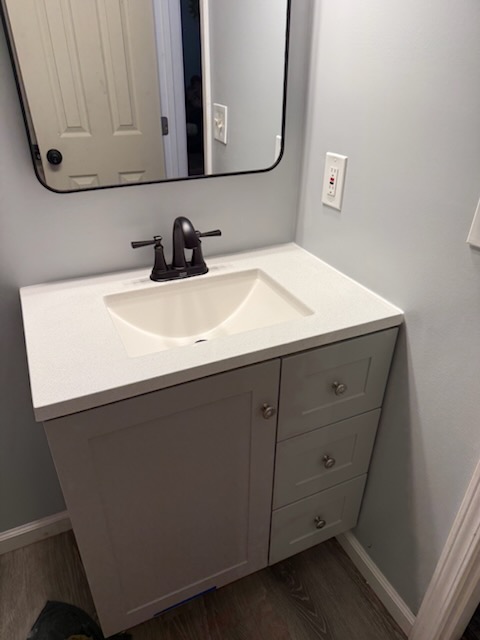
- Cabinet or countertop replacement where the plumbing and electrical stay exactly where they are.
- Swapping a fixture -- faucet, toilet, light fixture, ceiling fan on an existing box -- in the same location.
- Minor drywall repair and patching.
- Trim, doors in existing openings, hardware.
Notice the pattern. The dividing line is roughly: are you changing where the water, the power, or the load goes? If yes, expect a permit. If you're just changing what it looks like, usually not.
Why It Matters Even When You Could Get Away With It
Plenty of unpermitted work never gets caught. That's true, and it's also not the point. Here's what a permit is actually buying you:
Inspections catch real problems
An inspector is a second set of trained eyes on the parts of the job about to be covered up forever. Overloaded circuit, missing GFCI, an undersized beam, a drain with no fall, a vent that goes nowhere, missing fire blocking in a basement -- these get found at rough inspection and fixed cheaply, or they don't get found and become somebody's problem years later.
Unpermitted work shows up at resale
When you sell, that finished basement or addition is going to come up. Buyers' agents ask. Inspectors notice work that doesn't match the county's records. And an appraiser may decline to count unpermitted finished square footage toward the value of the home -- meaning you paid to build it and get nothing for it on the appraisal. The space that was supposed to be an investment becomes a disclosure instead.
Insurance claims can be denied
If unpermitted work contributes to a loss -- a fire that traces back to unpermitted wiring, water damage from unpermitted plumbing -- your carrier has grounds to fight the claim. That is a bad day to find out what you saved by skipping a permit.
Who Actually Pulls the Permit
Normally the licensed contractor doing the work pulls the permit and owns it. That means the contractor is the one on the hook for the work meeting code and passing inspection. That's the arrangement you want.
Many jurisdictions also allow a homeowner permit for work on your own primary residence. It sounds like a way to save money, and sometimes it is -- but understand what it does: it moves the liability to you. You are now the responsible party for the work passing inspection and being done to code. If a contractor asks *you* to pull the permit for work *they* are doing, that is a red flag. It usually means they can't, and you should ask why.
Your HOA Is a Separate Approval. You Need Both.
A huge share of the subdivisions across Coweta County -- Newnan, Sharpsburg, all through Peachtree City -- have an active HOA with an architectural review process. This matters and people mix it up all the time:
- The permit is a government function. It says the work meets building code and is safe.
- The HOA approval is a private contractual function. It says the work meets your neighborhood's covenants -- appearance, materials, colors, setbacks, fence styles, shed placement, deck design, sometimes even what you can park in the driveway during construction.
A permit does not satisfy your HOA, and HOA approval does not satisfy the county. Exterior work -- decks, fences, additions, exterior paint, a new outbuilding, sometimes even a new roof color -- typically needs an architectural review submission, and the review committee may only meet on a schedule. Get that submission in early, because an HOA calendar can absolutely become your project's critical path.
The Simple Rule
- 1Write down your scope in plain language -- what you're changing, and whether it touches structure, plumbing, electrical, or HVAC.
- 2Call the building department for your jurisdiction and describe it. Ask what's required.
- 3If you're in an HOA, pull the covenants and submit for architectural review at the same time, not after.
- 4Have your contractor pull the permit and own it.
- 5Keep the final approved paperwork. You'll want it when you sell.
Let Somebody Else Handle the Paperwork
Permitting is one of those parts of a remodel that's genuinely easier to hand off. We deal with building departments as part of the job, and we'd rather sort out the scope and the approvals before a crew ever shows up than discover a problem halfway through. If you're planning something in Newnan or anywhere around Coweta County and you're not sure which side of the line it falls on, call Wright Way Services at (770) 301-4638 and we'll figure it out with you.
Open 24 hours · Newnan, GA
Want a hand with this one?
Wright Way Services handles it all in one call — plumbing, remodeling, smart home installs and the whole punch list. Serving Newnan, Coweta County and the surrounding area.