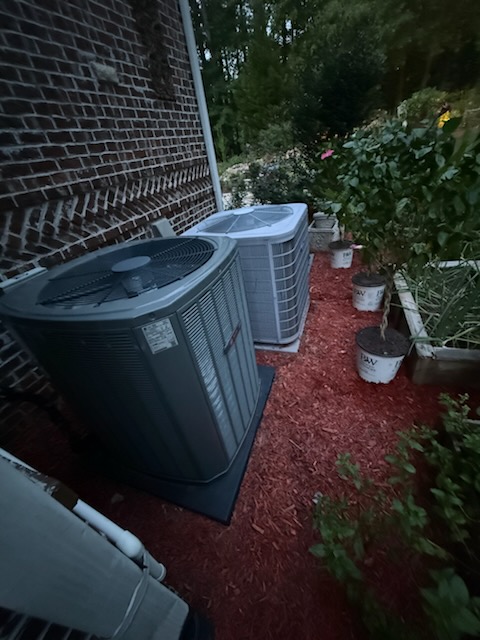
Home warranties get handed to buyers at closing and most people never read the contract until the day they need it. That is the day the exclusions matter, and the exclusions are where these contracts live.
A warranty is not insurance
Different products, different purposes, and people conflate them constantly.
- Homeowner's insurance covers sudden, accidental damage from covered perils — fire, storm, a tree through the roof, a burst pipe flooding a room.
- A home warranty is a service contract covering the repair or replacement of systems and appliances that fail from normal use and age.
Insurance covers the water damage from the burst pipe. The warranty might cover the water heater that failed. Neither covers the other.
What is typically covered
- HVAC — heating and cooling
- Water heater
- Plumbing system components
- Electrical system components
- Kitchen appliances — refrigerator, oven, dishwasher, disposal
- Washer and dryer, often as an optional add-on
- Ductwork
- Garage door opener
- Ceiling fans
Optional add-ons commonly include pool and spa equipment, septic, well pump, and a second refrigerator.
The exclusions that cause denials
This is the part worth reading before you buy.
- Pre-existing conditions. If the failure existed before coverage started, it is not covered. This is the most common denial and it is subjective.
- Improper installation or prior improper repair. If a previous owner's handyman installed the water heater wrong, the warranty may decline the claim entirely.
- Lack of maintenance. Failure to service HVAC, change filters, or flush a water heater is grounds for denial. Keep your service records.
- Code violations and upgrades. If replacement requires bringing something up to current code, the warranty typically does not pay for the code upgrade — only for the equivalent replacement. This gap can be large on HVAC and electrical.
- Permits and disposal. Often excluded.
- Cosmetic damage. Function only.
- Anything outside the main structure, unless specifically added.
- Concurrent damage. The water heater might be covered; the flooring it ruined is not.
- Caps. Per-item and annual dollar limits, which on HVAC can be well below actual replacement cost.
How the process actually works
- 1Something fails. You call the warranty company, not a contractor of your choosing.
- 2They dispatch their contractor from their network.
- 3You pay a service call fee, typically per visit.
- 4The contractor diagnoses and submits to the warranty company.
- 5The company approves, denies, or offers a cash-out.
- 6If approved, the work proceeds.
The friction points: you generally cannot choose your own contractor, response times depend on network availability, and a cash-out offer is often below what replacement actually costs.
When a warranty makes sense
- Older systems and appliances that are past their prime but still working.
- A first home, where you have no cash reserve for a surprise HVAC failure.
- A rental property, where predictable cost and a call-out network have real value.
- A seller offering it as part of a deal — free coverage is free coverage.
- Low tolerance for risk, where paying a premium for predictability is worth it to you.
When it does not
- New construction, where builder and manufacturer warranties already cover you.
- Recently replaced systems still under manufacturer warranty.
- You have an emergency fund and would rather self-insure. Over many years, self-insuring usually wins on the maths.
- You want to choose your own contractor. This is the deal-breaker for a lot of people.
- Everything in the house is new.
If you have one, use it properly
- Read the contract. Actually read it, before you need it.
- Keep maintenance records. Annual HVAC service receipts are the difference between a paid and a denied claim.
- Call the warranty first. Calling a contractor yourself and then claiming reimbursement is usually not covered.
- Document the failure with photos and dates.
- Appeal denials. Denials are sometimes reversed with documentation and persistence.
- Know your caps so a cash-out offer does not surprise you.
Either way, maintenance is the real protection
Warranty or not, the systems that fail early are the ones that were never serviced. Annual HVAC service, an occasional water heater flush, and clean filters extend equipment life far more reliably than any service contract. Wright Way Services handles home repair and maintenance across Newnan and Coweta County — call (770) 301-4638.
Open 24 hours · Newnan, GA
Want a hand with this one?
Wright Way Services handles it all in one call — plumbing, remodeling, smart home installs and the whole punch list. Serving Newnan, Coweta County and the surrounding area.