
Smart devices are designed for houses built with them in mind. Most houses weren't. Newnan has genuinely old housing stock in and around downtown, and then a completely different world of 1990s and 2000s subdivisions running out toward Sharpsburg and Senoia. Those two houses do not have the same retrofit problem, and pretending otherwise is how people end up with a box of returned switches.
Here's what an older house is usually missing, and what you actually do about each one.
1. No neutral wire in the switch box
This is the big one. A smart switch has electronics in it, and electronics need continuous power — which means they need a neutral to complete the circuit even when the light is off. Older wiring frequently used a switch loop: the power ran to the light fixture, and only two conductors went down to the switch — a hot and a switched hot. There is no neutral in that box. There never was.
Pull the plate and look. Two wires (plus a ground) and no bundle of white wires capped in the back of the box? That's your answer. Three options:
- 1Use a no-neutral smart switch. They exist and they work, using a trickle of current through the load. The catch is that some of them are finicky with LED bulbs (you may see faint glow or flicker), and some require a bypass capacitor at the fixture. Check the manufacturer's compatibility list against the bulbs you actually own.
- 2Put a smart relay module in the fixture box or the ceiling canopy. Often the cleanest answer, and nobody thinks of it. Up at the light there IS a neutral, because that's where the power came in. A small relay tucks into the canopy, keeps your existing wall switch fully functional, and adds smart control. No wall damage, no compatibility roulette.
- 3Run new cable. The permanent fix. A new run from the fixture to the switch box gives you a proper neutral and makes every future device easy. Whether it's practical depends entirely on what's in the wall — read on.
2. No C wire at the thermostat
Same story, different device. A smart thermostat needs continuous 24V power, and older four-conductor thermostat cable often has no spare conductor for the common wire. Either install the manufacturer's power extender kit at the air handler, or run a new 18/8 thermostat cable from the air handler to the wall. If you can get into the attic or crawlspace, the new wire is usually less trouble than people expect, and it leaves you spares for a future multi-stage or dual-fuel system.
3. The doorbell transformer that isn't strong enough
This one causes more wasted weekends than anything else on this list, because the symptom lies to you.
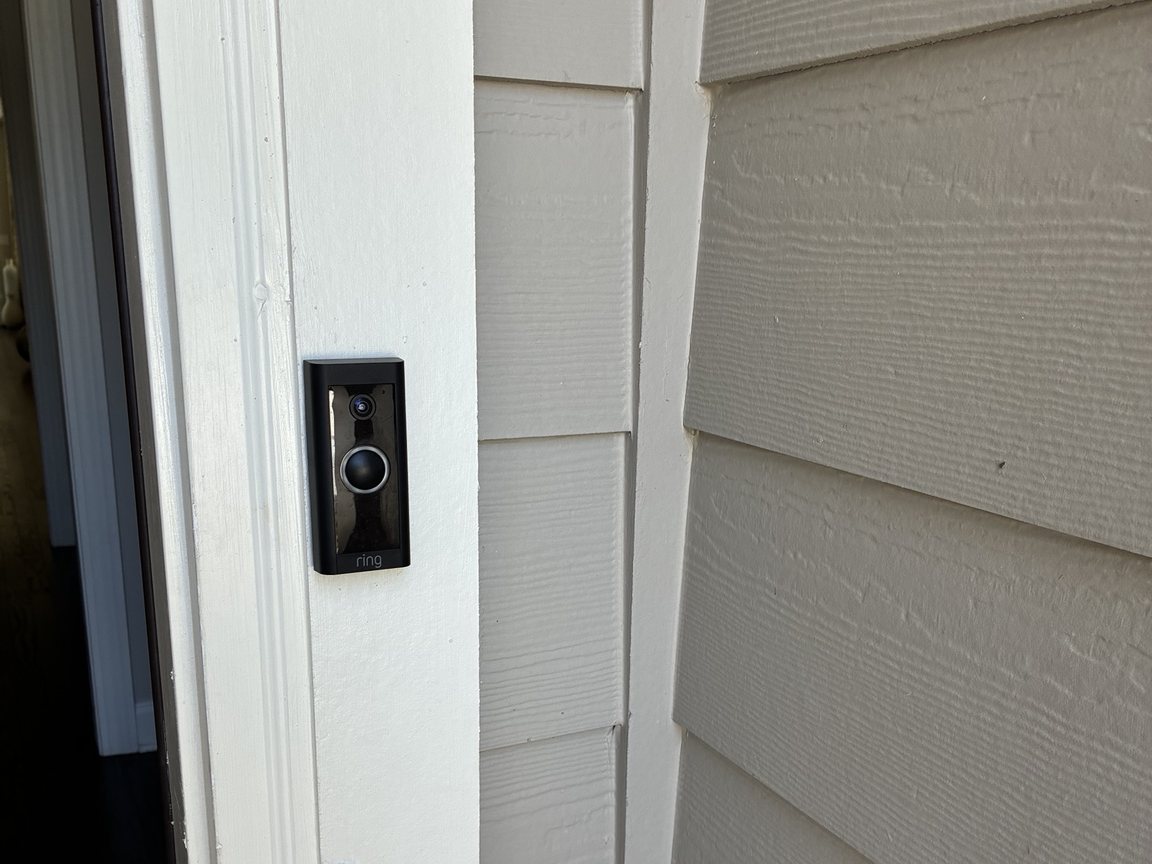
A wired video doorbell is a small computer with a camera and a radio. It needs a certain voltage and a certain VA (volt-amps — the transformer's power capacity). Old chime transformers were sized to ring a mechanical bell twice a day and nothing more. Hang a video doorbell on an underpowered one and it browns out: it reboots, it drops offline, the live view spins forever, night vision cuts out, motion events go missing.
Fixes, in order of preference: replace the transformer with one that meets spec, use a plug-in power adapter kit if a swap isn't practical, or go battery and accept the trade-offs (slower wake-up, no continuous recording, a battery you have to pull and charge).
4. No structured cabling, no exterior power
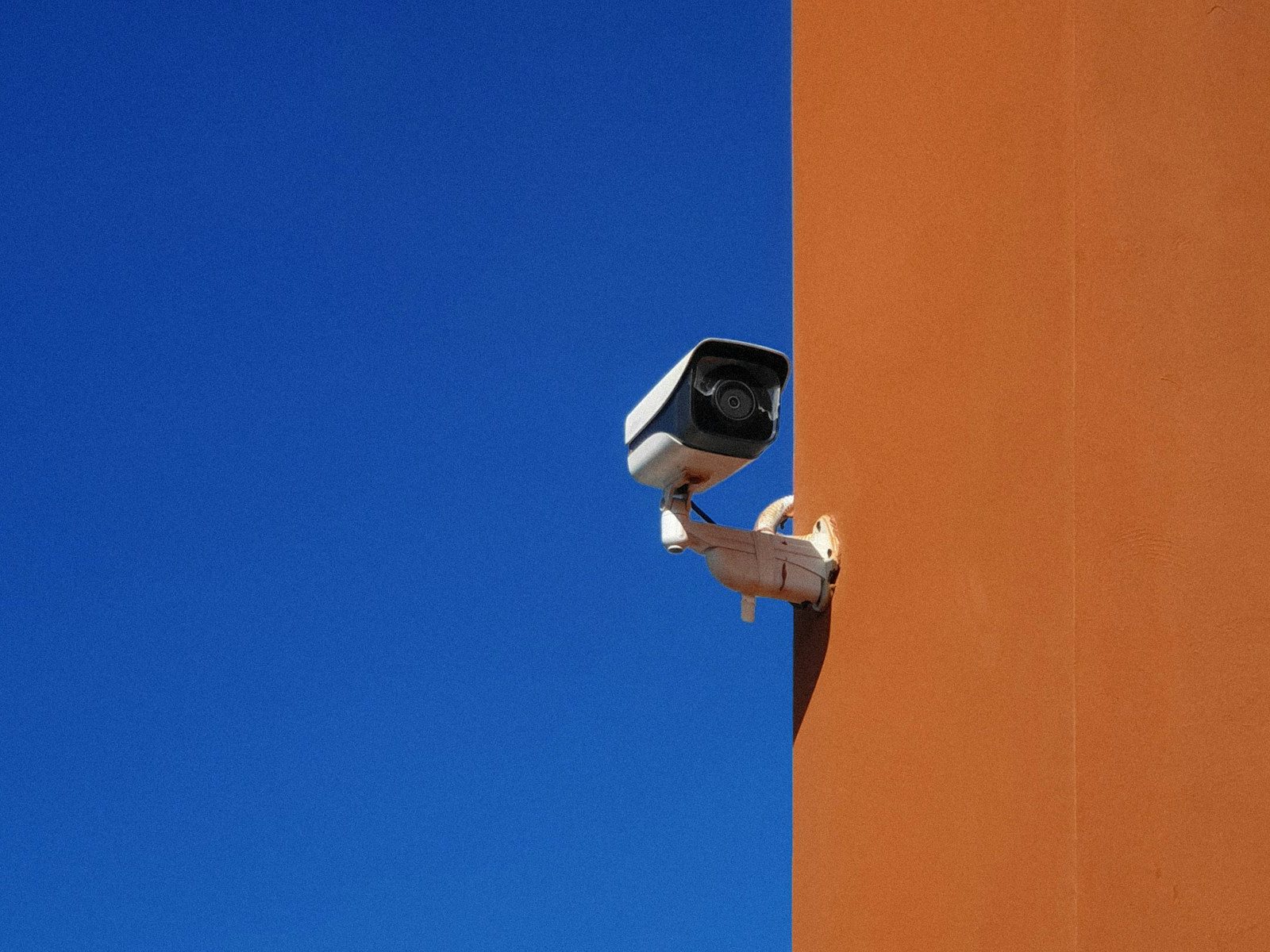
Cameras want either PoE (one ethernet cable carrying power and data — the most reliable thing you can install) or an outlet near the mount point, usually up in a soffit. Older houses have neither, and honestly, neither do most subdivision homes. So a real camera install means running cable from a closet or attic out to each location and terminating it properly. Same goes for wired access points, which are the actual fix for smart-home flakiness. If you're already opening things up, run more cable than you think you need — it's cheap while the path is open and expensive later.
The honest constraints of an older house
This is where a retrofit gets real. What's inside the wall determines what's possible:
- Plaster and lath vs. drywall. Plaster is brittle, it doesn't cut cleanly, and patching it well is a skill. Every hole in a plaster wall is a decision, not a shrug.
- Fire blocking. Horizontal blocking nailed between studs will stop a fish tape dead halfway down a cavity. It's not a defect — it's supposed to be there. It just means the run has to be planned around it or the wall opened at the block.
- Balloon framing vs. platform framing. In a balloon-framed house the stud cavities can run continuously from the foundation to the attic — either a gift (long clean runs) or a hazard, depending on how you approach it. Platform framing gives you a plate at every floor that has to be drilled.
- Brick veneer. Beautiful, and it makes exterior runs and exterior boxes a much bigger job than on siding.
- Crawlspaces and attics. In most Georgia homes these are the real cable highways. Almost every clean retrofit we do goes down into the crawl and back up, or across the attic and down an interior wall. Good access to either opens up your options enormously.
Aluminum branch wiring: stop and get someone who knows
Some homes built from the mid-1960s through the mid-1970s were wired with aluminum branch circuits. Aluminum expands, contracts, and oxidizes differently than copper, and connections made carelessly at devices can loosen and overheat over time.
Do not splice a smart switch onto aluminum wiring and call it done. It requires devices and connectors specifically rated for the job, installed the right way. If you pull a device out and the conductors are dull silver rather than copper-colored, stop and get someone in there who knows what they're looking at. This is not the place to improvise.
Three-ways, and where the hub lives
Three-way switches — two switches controlling one light — are their own puzzle. A smart three-way needs either a matched smart switch plus a companion from the same manufacturer, or a wiring reconfiguration, and the existing traveler wires may or may not cooperate. Solvable. Just never as simple as swapping one device.
And plan where the hub goes: somewhere central, on a shelf, on wired ethernet if possible — not stuffed in a metal cabinet or a basement corner where its radio can't reach the far bedroom. A hub in a bad spot creates the exact same mystery failures as a bad access point.
We do the ugly part so the pretty part works
Fishing wire through a plaster wall, adding a neutral, putting a relay in a ceiling canopy, swapping an undersized doorbell transformer, pulling PoE out to a soffit — that's the work that makes a smart home actually reliable, and it's the work most people don't want to do. We do it, and we do it without wrecking your drywall. Call Wright Way Services at (770) 301-4638 and we'll come look at what's actually in your walls before anybody buys anything.
Open 24 hours · Newnan, GA
Want a hand with this one?
Wright Way Services handles it all in one call — plumbing, remodeling, smart home installs and the whole punch list. Serving Newnan, Coweta County and the surrounding area.