
We have walked into a lot of houses with a drawer full of smart plugs, three different apps nobody remembers the password to, a video doorbell that hasn't been online since the router was replaced, and a homeowner who has decided the whole thing is a scam.
It isn't a scam. It was just built backwards. Here's the order that actually works.
Rule one: pick ONE ecosystem
Apple Home, Google Home, Amazon Alexa, or SmartThings. Pick one. Buy into it. Check compatibility before every purchase from here forward.
A house with four apps is a house nobody uses, because the moment your spouse has to remember which app the porch light lives in, the porch light goes back to being a switch. The value of home automation is entirely in it being easier than the manual way. Four apps is harder than the manual way.
Which one? Whichever platform matches the phones in your house and the speakers you already own. There is no wrong answer and there is a very wrong answer, and the very wrong answer is "a little of each."
Rule two: automate what happens every day
Nobody's life is improved by voice-controlling their coffee maker. What improves your life is the thing that happens every single morning and every single night without you thinking about it. Judge every device by one question: how many times a day will this actually be used?
The build order
Tier 1 — do these first
- Smart switches, not smart bulbs, for any light controlled by a wall switch. This is the most important sentence in this article. A smart bulb behind a dumb switch is dead the instant somebody flips that switch off — and every guest, every kid, every contractor flips the switch. Then the bulb is unreachable, the automation fails, and you look like an idiot in your own house. Put the intelligence in the switch, where the power is. One caveat: smart switches generally need a neutral wire in the switch box, and older homes often don't have one. Options exist (see our post on wiring an older Newnan home), but check before you buy a box of them.
- A smart thermostat. Runs every day, all year, and can warn you when the system is sick.
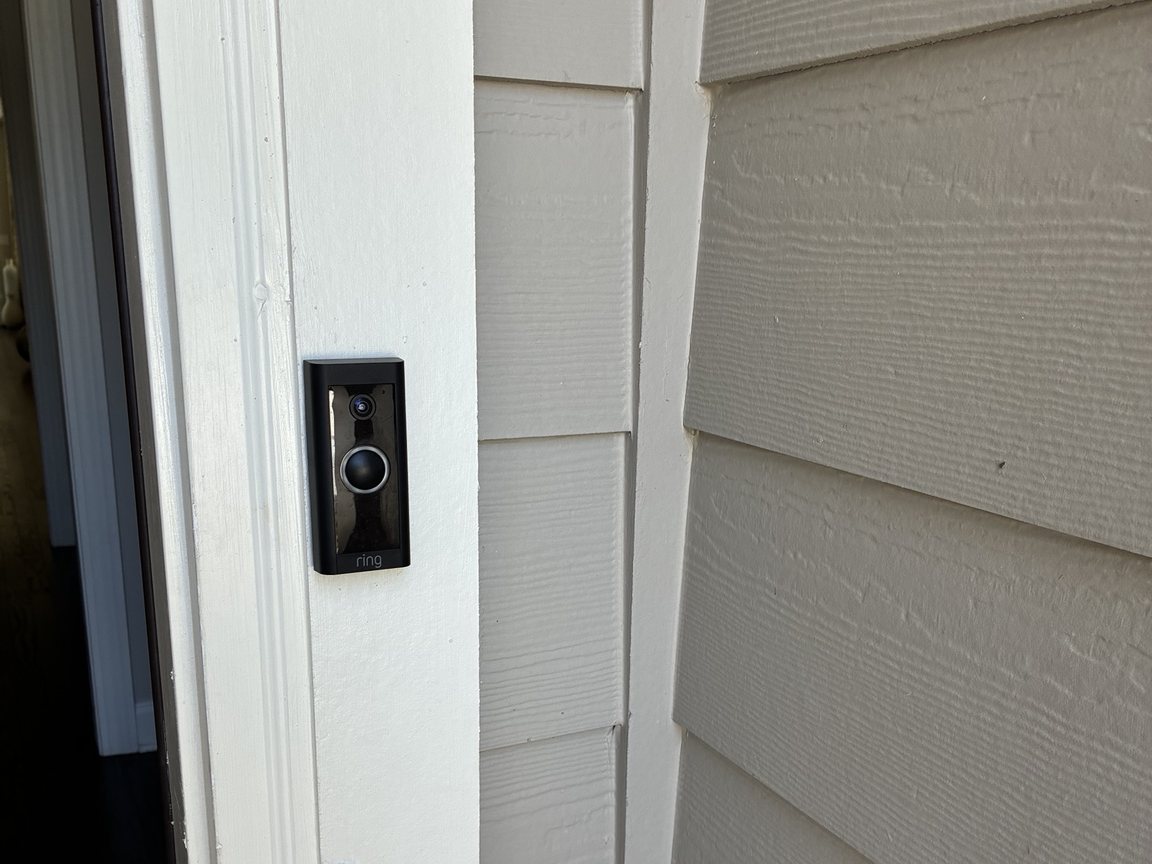
- A video doorbell. The single highest-use smart device in most homes. Packages, visitors, and a record of who came to the door.
- Leak sensors. Cheap, and the only device on this list that can save you from a five-figure disaster.
Tier 2 — add once Tier 1 is solid
- Smart lock on the main entry (with the door properly aligned first).
- Garage door controller — remote close, and an alert when it's been open for an hour. Very high daily value for very little money.
- Smart plugs for lamps, holiday lighting, and anything with a physical on/off switch you'd rather schedule.
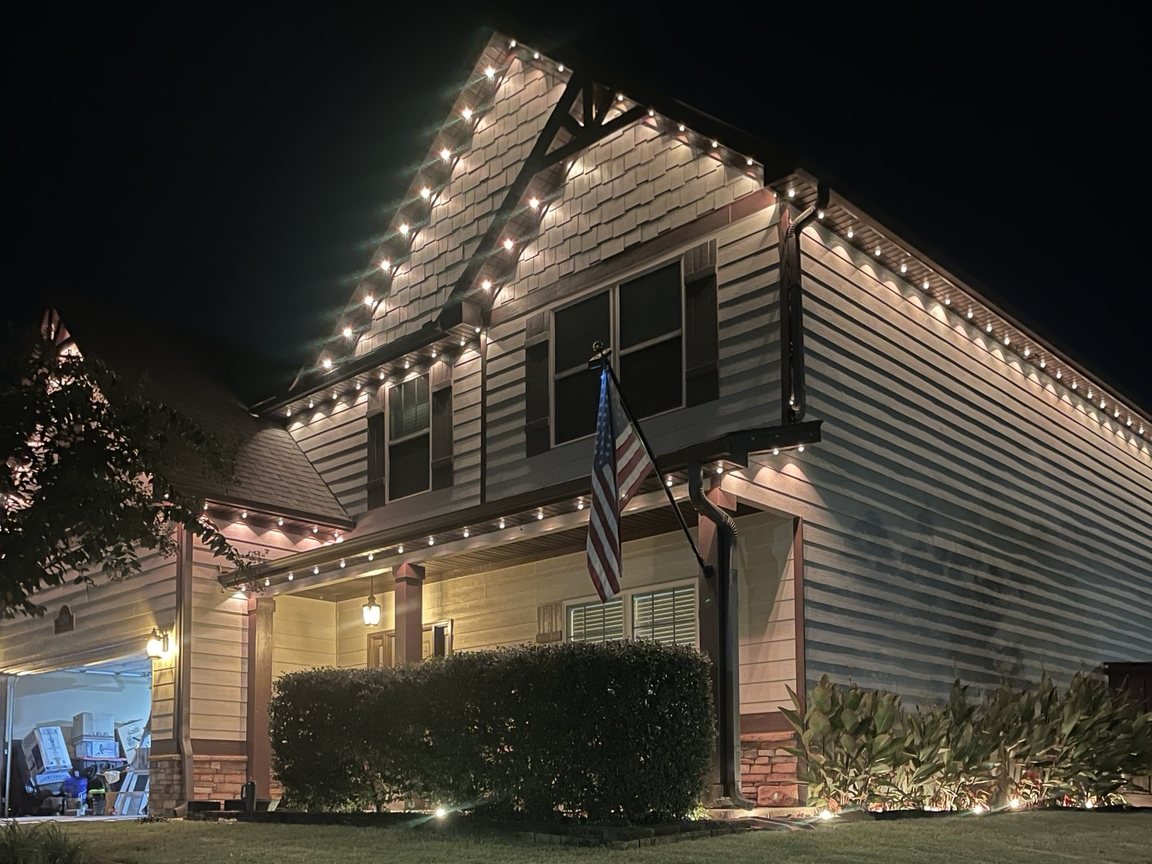
- Exterior and landscape lighting on a schedule — on at dusk, off at a set hour, without anybody touching anything.
Tier 3 — the nice-to-haves
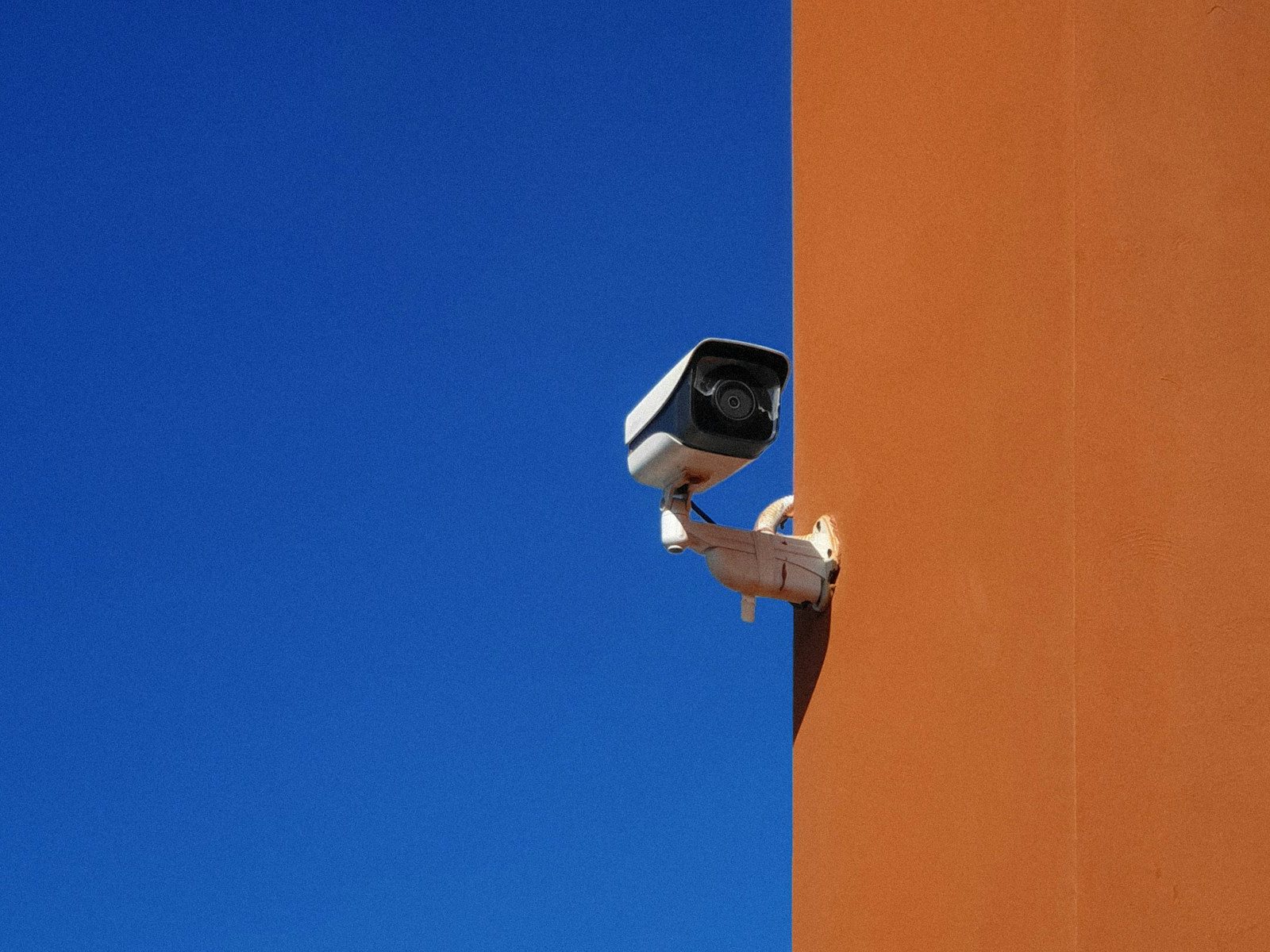
- Cameras beyond the doorbell.
- Motion, contact, and temperature sensors for real automations.
- Motorized blinds and shades (a genuine win on west-facing glass in a Georgia summer).
- Smart irrigation with a rain skip.
- Multi-room audio.
Skip, or think twice
- Smart appliances with cloud dependencies you can't replace. Your refrigerator will outlive the app that runs its screen. Buy the appliance for the appliance.
- Anything with a mandatory subscription for basic function. A subscription for cloud video storage is a fair trade. A subscription to make a light turn on is not.
- Single-purpose gadgets with their own app. Every additional app is a small tax on the whole household forever.
The infrastructure everybody skips: Wi-Fi
Here's the thing we have to tell people constantly: most smart-home flakiness is Wi-Fi flakiness. The device isn't bad. The signal is.
Think about where smart devices actually live: the front door. The back patio. The garage. The attic. The crawlspace. The far corner of the yard. Every one of those is a place a single router in the middle of the living room does not reach well — through brick, through ductwork, through insulation, through 60 feet of house. Then a doorbell drops offline twice a week and everybody blames the doorbell.
Fix the network first. A mesh system solves most homes. Better still, wired access points — an ethernet run to a ceiling-mounted AP on each end of the house — which is more work up front and dramatically more reliable forever. In a home with a crawlspace or an accessible attic, which describes most of the housing around Newnan and Sharpsburg, pulling that cable is very doable.
Local control vs. cloud control
Some devices process automations locally, on a hub inside your house. Some send everything to a server and back. The difference doesn't matter at all until your internet goes down — and then it's the whole ballgame. With local control, your lights still work, your schedules still run, your motion sensors still trigger. With cloud-only control, half your house goes stupid because a data center in another state is having a bad afternoon.
You don't have to be a purist about it. Just know which of your devices are which, and make sure the things you'd miss — lights, locks, the thermostat — still function when the internet doesn't.
Automations actually worth building
- 1Leaving. Last phone leaves the geofence: lights off, thermostat backs off, doors lock, garage confirms closed.
- 2Arriving. Driveway lights and porch light come on after dark, thermostat comes back to setpoint before you pull in.
- 3Goodnight. One tap or one phrase: downstairs lights out, doors lock, thermostat to overnight, porch light stays on until midnight.
- 4Vacation lighting. Lamps on a randomized schedule that looks like a person, not a timer clicking at 7:00:00 every night.
- 5Leak detected, shut off the water. The highest-value automation in the entire house.
- 6Doorbell pressed after dark, turn on the porch light. Small. Used constantly.
Want it planned instead of accumulated?
We do this end to end — pick the ecosystem, sort out the network, pull the wire, swap the switches, mount the devices, and set up the app so it works for everybody in the house and not just the one person who installed it. Call Wright Way Services at (770) 301-4638 and let's map out your Tier 1.
Open 24 hours · Newnan, GA
Want a hand with this one?
Wright Way Services handles it all in one call — plumbing, remodeling, smart home installs and the whole punch list. Serving Newnan, Coweta County and the surrounding area.