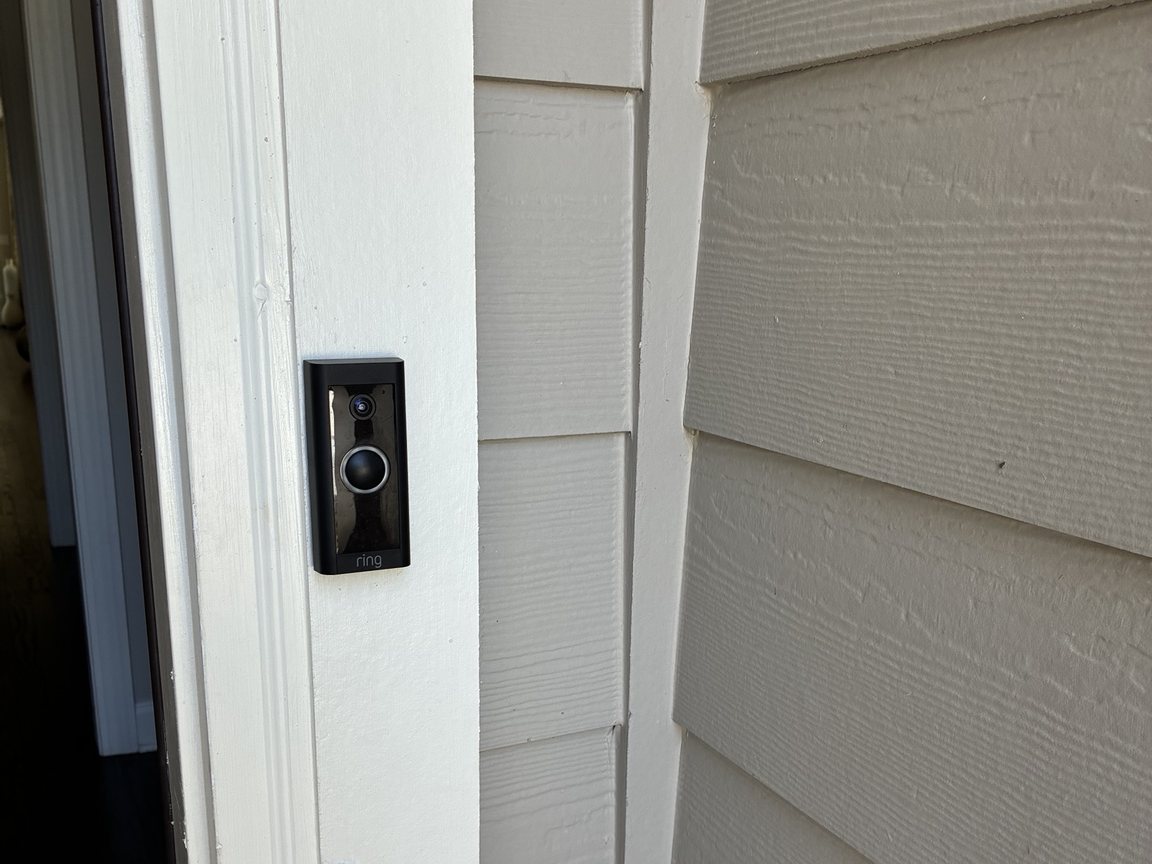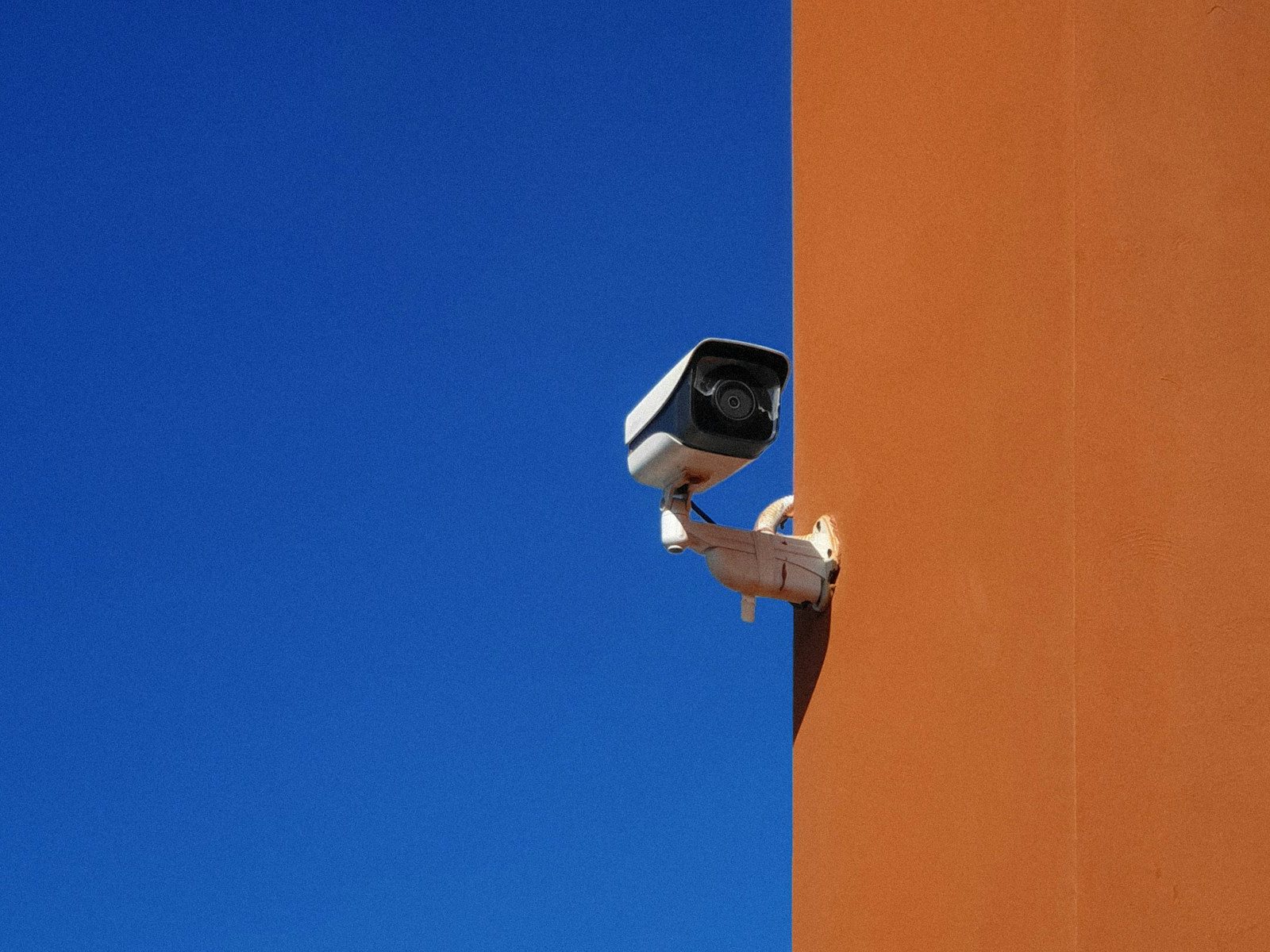
Video doorbells are the most-bought smart home device and the one people most often end up dissatisfied with. Usually not because the device is bad, but because they bought the wrong type for their house or did not realise what the ongoing costs were.
Wired vs battery
Wired (transformer-powered)
Replaces your existing doorbell and runs off the low-voltage transformer already in the house.
- Always on. No charging, no dead device at the moment you need footage.
- Faster wake and response. The single biggest practical difference — battery doorbells sleep to save power and often miss the first second or two.
- Can support continuous or pre-roll recording on models that offer it.
- Rings the existing chime inside the house.
The catch: your transformer may be undersized. Older Newnan homes frequently have transformers that ran a simple mechanical chime and cannot supply a video doorbell. Replacing the transformer is inexpensive but it is real electrical work at the panel or in the attic.
Battery
- Install anywhere, including doors with no existing doorbell wiring.
- No electrical work.
- Renter friendly and easily moved.
- But: recharging, typically every couple of months depending on traffic. In a busy household that is a genuine chore.
- Slower wake time — you will miss the beginning of some events.
- Cold weather reduces battery life, which matters less in Georgia than elsewhere but is not nothing.
- Usually needs a separate plug-in chime since it does not drive the existing one.
The specs that matter
- Field of view, and specifically vertical field of view. This is the spec people ignore and then regret. A doorbell with a narrow vertical view shows you a face but not the package on the ground. Head-to-toe view is what you want.
- Resolution. 1080p is the usable floor; higher is better for identifying faces and plates at distance.
- Night vision. Colour night vision with a built-in spotlight is a meaningful upgrade over infrared black and white.
- Motion zones. The ability to exclude the street and the sidewalk is the difference between useful alerts and forty notifications a day that you eventually mute.
- Person detection versus generic motion. Worth having.
- Two-way audio quality. Cheap models are unusable for actual conversation.
- Local storage option if you would rather not pay a subscription.
- Ecosystem compatibility — whether it works with the phones, speakers and displays you already own.
The subscription question
This is the cost people miss. Most video doorbells require a monthly subscription to store and review recorded clips. Without it, many devices only give you a live view and a notification — no recording to look back at, which is the entire point for most buyers.
Before buying, check:
- What the device does with no subscription.
- The monthly cost and whether it covers multiple devices or is per-device — this matters a lot if you plan to add cameras.
- How long clips are retained.
- Whether local storage is an option and what it costs.
Over five years the subscription frequently exceeds the price of the hardware. Factor it in.
Installation gotchas in older homes
- Undersized transformer, as above. The most common problem.
- Brick or stone. Mounting into brick needs the right anchors and a masonry bit, and a wedge mount is often needed to angle the view toward the walkway.
- Door position. A doorbell that stares at a porch column or points down the street rather than at the visitor is a poor install, and it is fixed with an angled wedge mount.
- Existing mechanical chime compatibility — some need a diode or a bypass module.
- Wi-Fi coverage at the front door. The front of the house is often the weakest signal in the building. If your doorbell drops out, the problem is usually the network, not the device. See our guide on Wi-Fi dead zones.
- Sun exposure. A west-facing doorbell in Georgia gets blown-out afternoon footage. A hood or an angled mount helps.
Privacy and neighbours
Point the camera at your property and your approach, not into a neighbour's window or across their yard. Use motion zones to exclude what is not yours. Georgia audio recording rules apply to two-way audio, so be aware you are recording conversations at your door.
Get it installed properly
Wright Way Services installs doorbells, cameras and smart devices across Newnan, Peachtree City, Sharpsburg, Senoia, Tyrone and Fayetteville — including transformer upgrades and brick mounting. Call (770) 301-4638.
Open 24 hours · Newnan, GA
Want a hand with this one?
Wright Way Services handles it all in one call — plumbing, remodeling, smart home installs and the whole punch list. Serving Newnan, Coweta County and the surrounding area.