We have watched a lot of security footage with homeowners after something happened. The most common reaction is not fear. It's frustration — the camera captured the event perfectly and the video is useless to anybody.
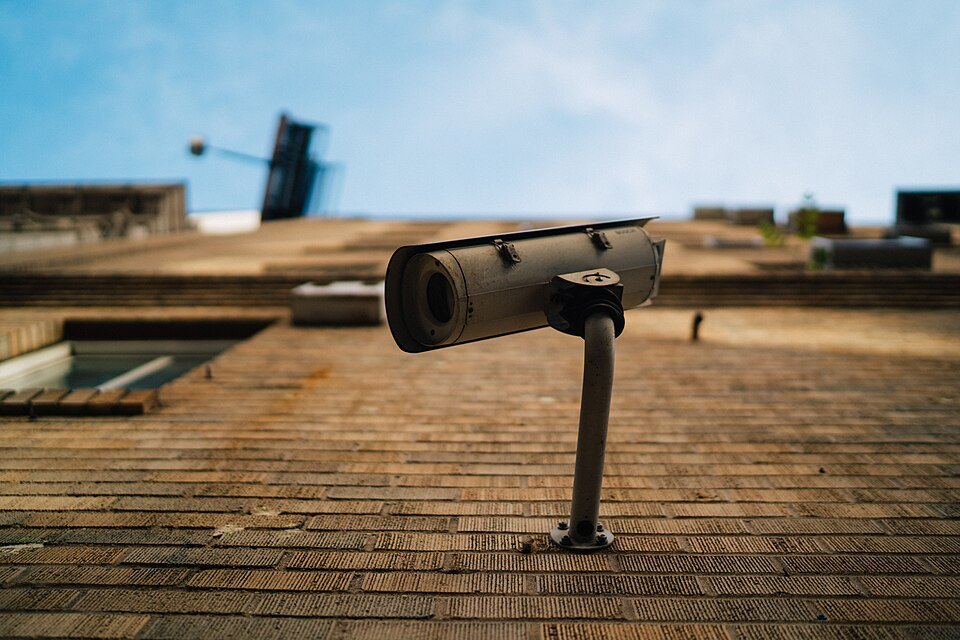
Almost always, it's the mounting. The camera went twenty feet up under the peak of the roof, because that's where it looked tidy and where nobody could reach it. What it produced is a lovely wide shot of the top of a person's hat. You can't identify a hat.
The core principle: cameras are for identification
A camera is not a deterrent ornament. Its job is to produce an image that lets someone say that is who was here. That means a face has to fill a usable part of the frame at the distance where people actually walk.
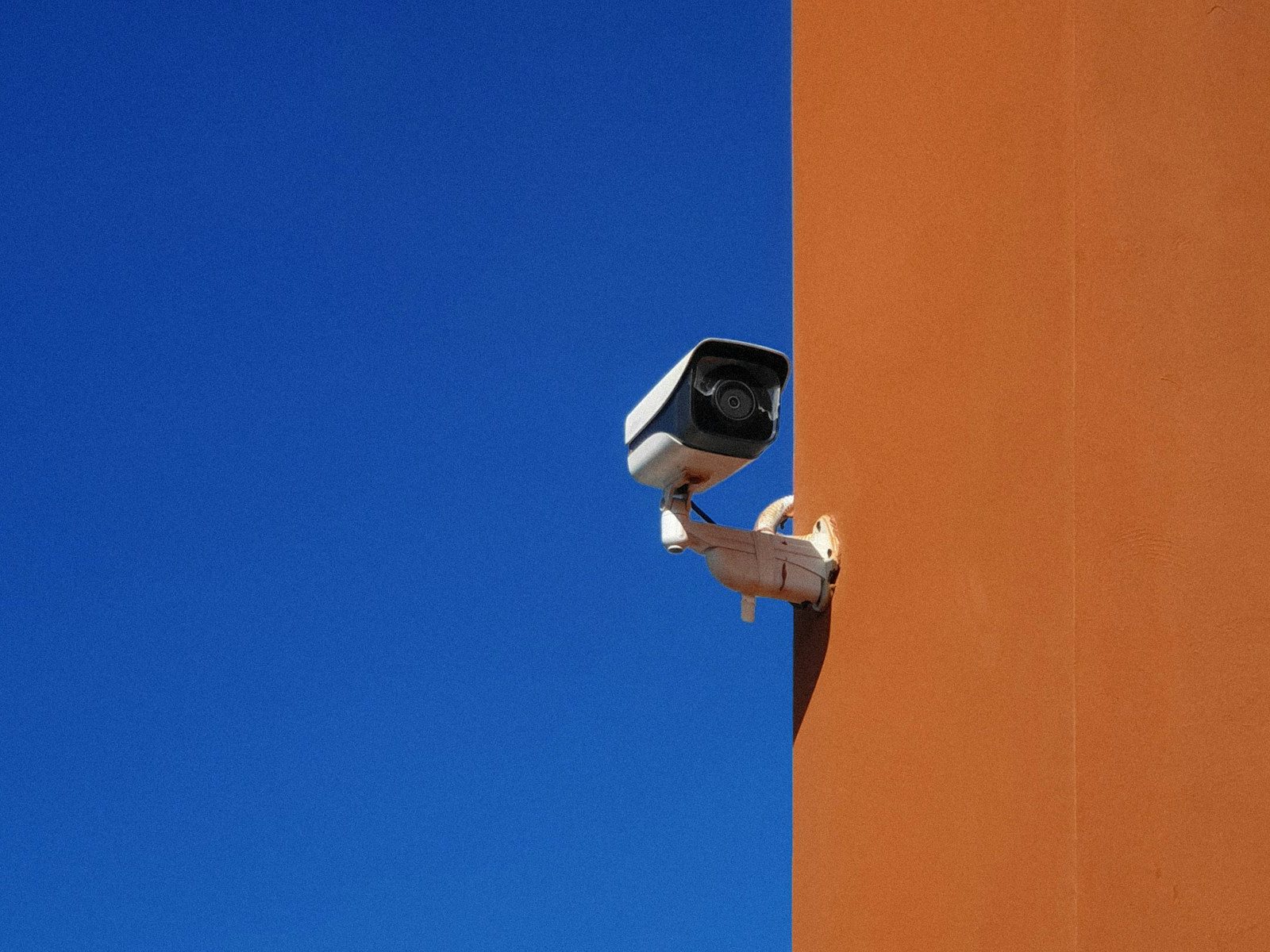
Mount high enough to be out of easy reach, low enough to see a face. Roughly eight to ten feet is the working range for most residential entry cameras — above arm's reach, still angled at where a head will be. Higher than that and you are filming scalps.
One exception, made on purpose: a wide overview camera up high covering the whole driveway and yard is genuinely useful — as long as you also have a low, tight camera at the chokepoint people have to walk through. Overview plus identification, not overview alone.
The angles that actually matter
In priority order for a typical home:
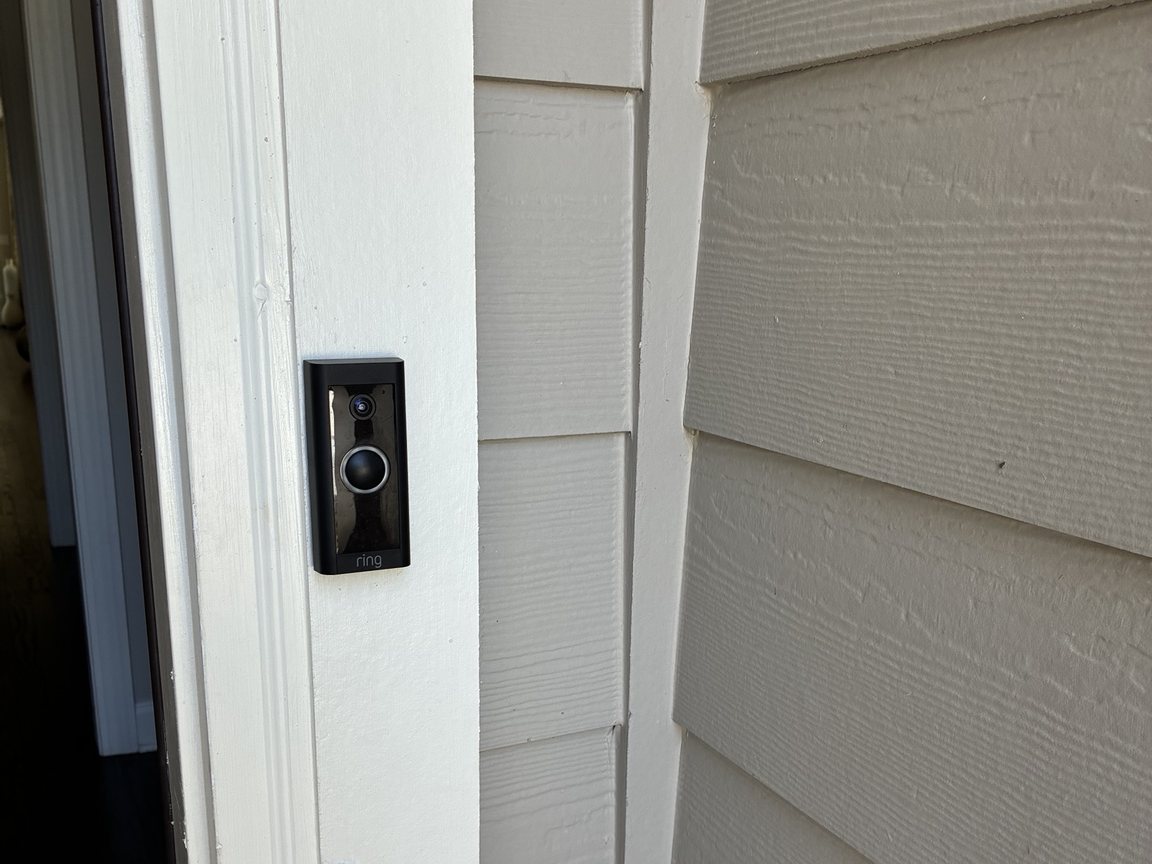
- 1The front door and porch. The doorbell handles the close face shot. A second camera covers the wider approach — the walkway, the porch, the packages. A doorbell alone is a very narrow view of a very small area.
- 2The driveway and vehicle approach. Cars, plates, and anybody walking up. This is where a well-lit, well-aimed camera earns its money.
- 3The back door or patio slider. Don't skip this. In a lot of suburban neighborhoods the back of the house is where entry actually happens, because that's where nobody can see. A slider in a fenced yard is the least-watched door on the property.
- 4The side gate or side yard. A single camera there covers a chokepoint everything has to pass through.
- 5The garage interior. Tools, bikes, a second car, and the interior door into the house. Also tells you when the garage door got left open.
- 6Any dark corner not overlooked by a neighbor. Wherever a person could stand for five minutes and nobody would see them — that's the spot.
Where NOT to point a camera
This part matters, and it's where people get themselves in trouble with the neighbors.
- Not at your neighbor's windows, doors, or yard. Aim at your own property. If the camera's natural field of view spills over a property line, use the software's privacy masking to black out the part that isn't yours. It's the neighborly move and it saves you an argument you don't want.
- Audio has its own rules. Recording audio is treated differently from recording video, and the rules vary by jurisdiction and situation. Don't take our word for it, and don't take a forum post's word for it — check the current rules or ask an attorney before you record audio where people would expect a private conversation. Most cameras let you disable the microphone.
- Not in bedrooms or bathrooms. Obvious, still worth saying. Indoor cameras belong in common areas — and even then, a cloud-connected camera pointed at your living room is a camera pointed at your living room.
The image-quality problems nobody warns you about
- Don't shoot into the sun or a bright sky. A camera exposes for the brightest thing in frame. Point it east and at 7 a.m. everyone walking up your driveway is a black silhouette. Point it west and you get the same thing at 6 p.m. Before you drill, stand where the camera will go and look at what it sees at those two hours. Aim so the sun is behind or beside the camera, and tilt down so you're framing ground and house, not sky.
- Watch for a light source inside the frame. A porch light or floodlight in the shot blows out the exposure and washes out the infrared, turning the night image into a white smear.
- Bugs and spiderwebs. Infrared attracts insects, insects attract spiders, spiders build webs across the lens, and a web waving two inches from the camera fires motion alerts all night. It's the most common reason people mute their notifications. Wipe the lens periodically — and mount where you can actually reach it.
- False alerts from trees, flags, and traffic. Set motion zones so the camera only cares about the walkway and the driveway, not the street. A camera that cries wolf forty times a day gets ignored, and an ignored camera is worth nothing.
Wired PoE vs. wireless vs. battery
Here are the honest trade-offs:
- Battery. Easiest install — stick it anywhere, no wire. The trade is real: it wakes on motion, so it can miss the first second or two of an event, it doesn't record continuously, and eventually it's a dead camera on the exact week you needed it. If you go battery, calendar a reminder to charge them.
- Wireless (plug-in). No data cable, but you still need an outlet — which means wiring work for most exterior mounts anyway. And it still depends on Wi-Fi reaching a soffit at the far corner of the house.
- Wired PoE. One ethernet cable carries power and data. Most reliable option there is: no batteries, no Wi-Fi dropouts, continuous recording, and it keeps working when the Wi-Fi doesn't. More install work up front — you're pulling cable through an attic or crawlspace — and it's what we recommend whenever the run is feasible, which in most Georgia homes it is.
Storage, and what happens when the internet is cut
Cloud storage means a subscription, footage that survives the camera being stolen, and easy sharing. Local storage — an SD card, or a proper NVR in a closet — means no monthly fee and footage that keeps recording when your internet drops. The strongest setup is both: record locally, back up important clips to the cloud.
Think about the failure case. If the internet to the house goes down or gets cut, a cloud-only camera has nowhere to send anything, and you have no record of the window it was down. An NVR keeps rolling. That's the argument for local, and it's a good one.
Night vision, briefly
Infrared gives you a black-and-white image and is invisible to the eye — good coverage, no color, which means no "red truck" or "blue jacket." Spotlight / color night vision lights the scene and keeps the color, which is far more useful for identification and doubles as a deterrent — at the cost of a light coming on every time a cat walks by. Pick per location: color where you need to identify someone, IR where you just need to know something moved.
Let's plan the angles before anybody drills a hole
We walk the property, work out the sightlines and the sun, set the mounting heights, pull PoE where it makes sense, mount clean with no dangling wire, tune the motion zones, and get the app running on every phone in the house. Serving Newnan, Tyrone, and the rest of Coweta County. Get Wright Way Services out to take a look — (770) 301-4638.
Open 24 hours · Newnan, GA
Want a hand with this one?
Wright Way Services handles it all in one call — plumbing, remodeling, smart home installs and the whole punch list. Serving Newnan, Coweta County and the surrounding area.